


Smart Kitchen Tricks for Working Women: Simple Ways to Save Time Every Day
Contributed by
Mujahida Parveen
Freelance Health Content Writer specializing in health,
wellness, nutrition, preventive healthcare, and medical technology.
Email: mujahidaparveen2509@gmail.com
Upwork Profile: https://www.upwork.com/freelancers/~0101e0885578736b2b
Introduction
For working women, managing professional responsibilities alongside household tasks can be challenging. After a long day at work, preparing meals, organizing groceries, and keeping the kitchen clean may feel exhausting. Fortunately, a few smart kitchen tricks can make daily cooking easier, save valuable time, and reduce stress. With proper planning and simple habits, working women can manage their kitchens more efficiently without compromising the quality of their meals.
1. Plan Your Meals in Advance
Meal planning is one of the easiest ways to save time in the kitchen. Spend a little time each week deciding what to cook for breakfast, lunch, and dinner. Make a simple list of meals and check which ingredients are already available at home.
Planning meals in advance reduces last-minute confusion, unnecessary grocery shopping, and food waste. It also helps you prepare balanced meals instead of relying on fast food when you are tired or busy.
2. Prepare Ingredients Ahead of Time
Preparing ingredients in advance can make daily cooking much faster. Wash vegetables, dry them properly, and store them in clean containers. You can also prepare ingredients such as ginger, garlic, and green chilies ahead of time, provided they are stored safely.
Keep refrigerated ingredients covered and follow food-safety guidance for storage times. Do not leave cut vegetables or cooked food at room temperature for extended periods.
3. Organize Your Kitchen Properly
A well-organized kitchen saves time because you do not have to search for utensils, spices, or ingredients while cooking. Keep frequently used items in accessible places and arrange spices in clearly labelled containers.
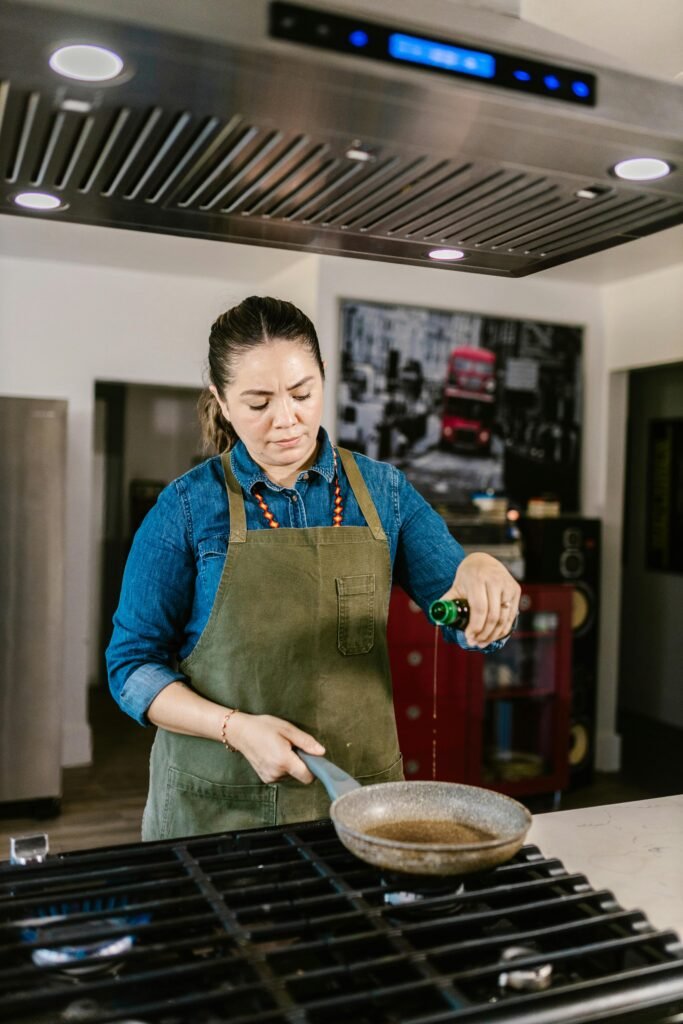
Store cooking utensils near the stove, keep cutting boards close to the preparation area, and group similar items together. Return everything to its proper place after use. These small habits can make cooking smoother and more enjoyable.
4. Use Time-Saving Cooking Methods
Choose cooking methods that require less active attention. A pressure cooker can help prepare suitable foods, such as beans and certain meat dishes, more quickly. One-pot meals, vegetable stir-fries, and simple soups can also reduce both cooking time and the number of dishes to wash.
While one dish is cooking, you can prepare ingredients for the next meal or tidy the work surface. However, always follow appliance instructions and never leave cooking unattended when safety requires supervision.
5. Cook Extra Portions When Possible
Preparing a larger quantity of suitable dishes can save time on busy weekdays. For example, you may cook extra lentils, beans, rice, or a curry and refrigerate or freeze portions for later use.
Divide food into shallow containers and refrigerate it promptly. Label containers with the preparation date and reheat leftovers thoroughly before eating. Avoid keeping cooked food at room temperature for too long.
6. Make a Smart Grocery Shopping List
Before going shopping, check your refrigerator, freezer, and pantry. Write down the items you actually need and organize the list by category, such as vegetables, dairy products, grains, and household essentials.
Buying frequently used ingredients in suitable quantities helps prevent unnecessary shopping trips. Keep basic pantry items, including rice, flour, lentils, cooking oil, and common spices, available according to your family’s needs.
7. Clean as You Cook
Leaving every cleaning task until the end can make the kitchen feel overwhelming. Instead, wash or rinse utensils that are no longer needed, wipe small spills, and put ingredients away while food cooks.
Keep a separate container for food scraps and clear the work surface after each preparation step. Cleaning as you go reduces the final workload and helps maintain a more hygienic kitchen.
8. Use Kitchen Tools Wisely
Simple kitchen tools can make everyday tasks easier. A sharp knife, sturdy cutting board, measuring spoons, food-storage containers, and a suitable vegetable peeler can improve efficiency.
Choose appliances according to your needs and budget. A blender, food processor, or electric kettle may be useful for certain tasks, but buying more equipment is not necessary if basic tools already meet your requirements.
9. Create a Simple Daily Kitchen Routine
A consistent routine can prevent small tasks from becoming large chores. In the morning, check the day’s meal plan and take out only the ingredients needed. In the evening, prepare anything that can safely be done ahead for the following day.
You can also involve family members in simple tasks such as setting the table, washing suitable vegetables, or putting away clean dishes. Sharing household responsibilities helps save time and makes daily routines more manageable.
Conclusion
Managing a kitchen while working full-time does not have to be stressful. Meal planning, preparing ingredients ahead, organizing supplies, cooking extra portions, and cleaning as you go can make a significant difference. Working women do not need to change everything at once; starting with two or three practical habits is enough to build a more efficient routine.
The goal is not to create a perfect kitchen but to make everyday life easier. With a little planning and consistency, women can save valuable time, reduce kitchen stress, and enjoy more time for their careers, families, and personal well-being.
Join the mailing list!
Get the latest articles delivered right to your inbox!
