


Do Chillies Really Cause Gastritis and Stomach Ulcers? Separating Myth from Medical Science
Contributed by Dr Mohd Farooq parey , MD ,
Masters in emergency medicine , MRCEM, FRCEM , SCE (Acute medicine ) Member of European society of emerge medicine , Royal college of Emergency medicine examiner , University hospital of Morecambe bay NHS foundation trust
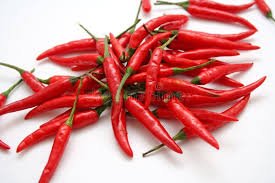
If you ask people in Kashmir what causes gastritis or stomach ulcers, one of the most common answers you will hear is: “Too much mirch (chilli).” Many people firmly believe that eating red chillies, green chillies, spicy curries, or traditional spicy foods damages the stomach and eventually leads to ulcers.
This belief is so widespread that patients frequently stop eating chillies as soon as they develop stomach discomfort. Parents warn their children about spicy food, and many elderly people consider chilli consumption to be one of the major causes of stomach disease.
But is this belief supported by modern medical science?
The short answer is no.
The relationship between chillies and stomach disease is far more complex than most people realise.
What Is Gastritis?
Gastritis simply means inflammation of the stomach lining. It may be temporary (acute) or long-lasting (chronic).
Common causes of gastritis include:
* Infection with Helicobacter pylori (H. pylori)
* Regular use of painkillers such as ibuprofen, diclofenac, naproxen, and aspirin
* Excessive alcohol consumption
* Severe illness or physiological stress
* Autoimmune diseases
* Bile reflux
Notice that spicy food does not appear among the major recognised causes.
While spicy foods may sometimes aggravate symptoms, they are not generally considered a primary cause of gastritis by modern gastroenterology guidelines.
What Is a Peptic Ulcer?
A peptic ulcer is a break in the lining of the stomach or duodenum caused by acid and digestive enzymes damaging the tissue.
For much of the twentieth century, doctors believed that ulcers resulted from stress, anxiety, spicy food, and excess acid production. Patients were routinely advised to avoid chillies and consume bland diets.
Everything changed in the 1980s when Australian researchers Dr Barry Marshall and Dr Robin Warren discovered Helicobacter pylori.
Their research demonstrated that a bacterial infection was responsible for the majority of stomach and duodenal ulcers. This discovery revolutionised medicine and earned them the Nobel Prize in Physiology or Medicine in 2005.
Today, we know that most peptic ulcers are caused by:
* H. pylori infection
* Non-steroidal anti-inflammatory drugs (NSAIDs)
Together, these account for the vast majority of ulcer cases worldwide.
If Chillies Do Not Cause Ulcers, Why Do They Cause Burning?
This is where much of the confusion arises.
Chillies contain a naturally occurring chemical called capsaicin.
Capsaicin activates specialised nerve receptors known as TRPV1 receptors, which are responsible for sensing heat and pain.
When these receptors are stimulated, the brain interprets the sensation as burning or irritation.
As a result, someone who eats a very spicy meal may experience:
* Burning in the upper abdomen
* Indigestion
* Heartburn
* Acid reflux symptoms
* Temporary stomach discomfort
Because these symptoms occur immediately after eating chillies, people often assume that the chilli has damaged their stomach.
However, symptoms do not necessarily mean injury.
An important distinction exists between causing symptoms and causing disease.
An Everyday Example
Imagine someone has a small cavity in a tooth.
When they drink cold water, the tooth hurts.
Did the cold water create the cavity?
Of course not.
The cavity already existed. The cold water simply exposed the problem.
The same principle often applies to spicy food.
A person may already have:
* Gastritis
* Acid reflux disease
* Functional dyspepsia
* An ulcer
* Irritable bowel syndrome
The chilli merely makes the underlying condition more noticeable.
Could Chillies Actually Protect the Stomach?
Surprisingly, several scientific studies suggest that capsaicin may have beneficial effects on the stomach lining.
Research has shown that capsaicin may:
* Increase protective mucus production
* Improve blood flow to the stomach lining
* Stimulate protective sensory nerves
* Enhance natural defence mechanisms of the stomach
* Reduce susceptibility to certain forms of injury
Some experimental studies have even suggested that capsaicin may inhibit the growth of H. pylori under certain conditions.
Although more research is needed before making strong recommendations, these findings challenge the traditional belief that chillies are universally harmful to the stomach.
Why Do Some People Feel Better When They Stop Eating Chillies?
This is a very important question.
For many individuals, reducing spicy food genuinely improves symptoms.
This does not mean chillies caused the disease.
It simply means that spicy foods acted as a trigger for discomfort.
People commonly experience symptom improvement if they have:
* Gastro-oesophageal reflux disease (GERD)
* Functional dyspepsia
* Irritable bowel syndrome
* Active gastritis
* Sensitive gastrointestinal tracts
In these situations, avoiding spicy foods may be entirely reasonable from a symptom-control perspective.
The key point is that symptom relief does not prove that chillies were the original cause of the condition.
What About Green Chillies Versus Red Chillies?
Many people believe that green chillies are safer than red chillies, while others believe the opposite.
From a medical standpoint, there is little evidence that either type directly causes ulcers.
The important factor is usually the amount of capsaicin present.
Hotter chillies contain more capsaicin and therefore are more likely to trigger symptoms in sensitive individuals.
However, neither green nor red chillies are recognised causes of peptic ulcer disease.
What Should Patients With Stomach Symptoms Do?
Anyone with persistent symptoms such as:
* Upper abdominal pain
* Recurrent indigestion
* Heartburn
* Nausea
* Unexplained weight loss
* Vomiting blood
* Black stools
should seek medical assessment rather than simply blaming spicy food.
Testing for H. pylori, reviewing medications, assessing lifestyle factors, and investigating other gastrointestinal conditions are often far more important than focusing solely on dietary spice.
Conclusion
For decades, chillies have been unfairly blamed for causing gastritis and stomach ulcers. Modern medical research tells a different story.
The strongest scientific evidence shows that most peptic ulcers are caused by Helicobacter pylori infection and anti-inflammatory painkillers such as ibuprofen and aspirin, not by red or green chillies.
Spicy foods can certainly worsen symptoms in susceptible individuals and may trigger burning, indigestion, or reflux. However, triggering symptoms is very different from causing disease.
The next time someone says, “My ulcer happened because I ate too much chilli,” it may be worth remembering that modern medicine suggests otherwise.
References :
1.Satyanarayana MN. Capsaicin and Gastric Ulcers. Critical Reviews in Food Science and Nutrition. 2006;46(4):275–328.
2.Comprehensive review demonstrating that capsaicin is not ulcerogenic and may exert gastroprotective effects through increased mucus secretion, mucosal blood flow, and inhibition of acid secretion.
3. Abdel-Salam OME, et al. Capsaicin and the Stomach: A Review of Experimental and Clinical Studies. General Pharmacology. 1997;28(2):151–163. * Demonstrates the role of capsaicin-sensitive sensory nerves in gastric mucosal protection and ulcer prevention.
4. Wallace JL. Prostaglandins, NSAIDs, and Gastric Mucosal Protection: Why Doesn’t the Stomach Digest Itself? Physiological Reviews. 2008;88(4):1547–1565. * Landmark review explaining how NSAIDs contribute to ulcer formation through impairment of gastric mucosal defence mechanisms.
Join the mailing list!
Get the latest articles delivered right to your inbox!