



Healthy cooking oil
While cooking oils provide various health benefits, excessive or improper use can also lead to potential side effects. These side effects vary based on the type of oil, how it’s processed, and how it’s used. Below are some potential side effects of popular cooking oils:
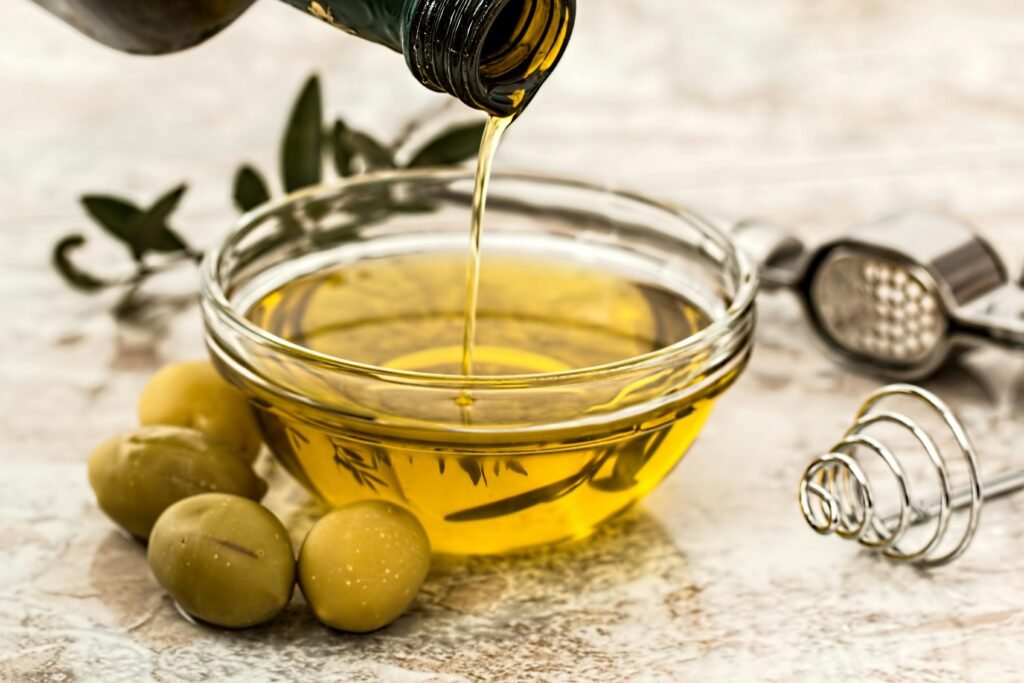
1. Olive Oil (Extra Virgin)
- Side Effects:
- Excess calories: Overuse can lead to weight gain due to its high-calorie content.
- Low smoke point: Using extra virgin olive oil for high-heat cooking can degrade the oil, leading to the release of toxic compounds and reducing its health benefits.
- Allergic reactions: Though rare, some people may experience skin reactions or respiratory issues due to olive oil allergies.
2. Coconut Oil
- Side Effects:
- High in saturated fats: Contains over 80% saturated fat, which can raise LDL (“bad”) cholesterol levels if consumed in excess, potentially increasing the risk of heart disease.
- Digestive issues: Some individuals may experience stomach discomfort or diarrhea when consuming too much coconut oil due to its high fat content
3. Sunflower Oil
- Side Effects:
- High in omega-6: Like canola oil, sunflower oil contains large amounts of omega-6 fatty acids, which can lead to inflammation if consumed excessively without enough omega-3s.
- Oxidation at high heat: Sunflower oil can produce harmful compounds, like aldehydes, when heated to high temperatures repeatedly, increasing the risk of cardiovascular disease and cancer.
4. Ghee (Clarified Butter)
- Side Effects:
- High in saturated fats: Like coconut oil, ghee contains significant amounts of saturated fats, which may increase cholesterol levels if consumed in large quantities, raising the risk of heart disease.
- Overconsumption risks: Ghee is calorie-dense, and excessive consumption can lead to weight gain and other metabolic issues.
5. Benefits of Mustard Oil
Mustard oil is commonly used in South Asian, Indian, and Eastern European cuisines. It has a strong, pungent flavor and is packed with health benefits, but also carries certain risks, especially if consumed improperly.
- Rich in Monounsaturated Fats:
- Mustard oil is high in monounsaturated fatty acids (MUFA), which are beneficial for heart health. MUFAs can help reduce bad cholesterol (LDL) levels and improve good cholesterol (HDL), promoting cardiovascular health.
- Anti-inflammatory Properties:
- Mustard oil contains omega-3 fatty acids and compounds like allyl isothiocyanate, which have anti-inflammatory effects. This can be helpful for reducing inflammation in conditions like arthritis and joint pain.
- Antimicrobial and Antifungal:
- Mustard oil has natural antimicrobial and antifungal properties, making it useful for treating skin infections, wounds, and fungal issues. It is sometimes applied topically to help with skin irritation and minor cuts.
- Improves Blood Circulation:
- When massaged onto the skin, mustard oil can help stimulate blood flow and improve circulation, which is believed to aid in pain relief and muscle relaxation.
Risks and Side Effects of Mustard Oil
Mustard oil can go rancid quickly if not stored properly, and consuming rancid oil can lead to the production of harmful free radicals in the body. It’s essential to store mustard oil in a cool, dark place to prolong its shelf life..
High Erucic Acid Content:
One of the major concerns with mustard oil is its high concentration of erucic acid, which can range from 20% to 40%. In large quantities, erucic acid has been linked to heart problems, including myocardial lipidosis (a condition where fat accumulates in the heart tissue), especially in animal studies. This has led to its ban as an edible oil in some countries like the U.S., Canada, and Europe.
Potential Toxicity:
Pure mustard oil is not approved for cooking in some regions due to concerns over long-term health effects. Consuming unrefined or adulterated mustard oil could be harmful, especially if it’s not processed properly to reduce erucic acid levels.
Skin Irritation and Allergies:
Mustard oil is a strong skin irritant, and applying it directly to the skin without dilution can cause redness, itching, and inflammation, particularly in people with sensitive skin. Some individuals may also be allergic to mustard oil, leading to skin rashes or even respiratory issues.
Overuse Risks:
Excessive consumption of mustard oil may lead to digestive issues, such as stomach upset, acid reflux, and gastritis. Since it’s a potent oil, it should be used in moderation in cooking.
General Risks of Cooking Oils:
- Hydrogenation and Trans Fats: Some oils, especially vegetable oils like soybean, corn, or partially hydrogenated oils, can contain trans fats when heavily processed. Trans fats are linked to a higher risk of heart disease, diabetes, and inflammation.
- Oxidation: When oils are heated to their smoke points or used repeatedly for frying, they can oxidize and form toxic compounds such as free radicals, which may contribute to chronic diseases like cancer, heart disease, and neurodegenerative conditions.
- Refined vs. Unrefined Oils: Refined oils often go through chemical processing, which may strip them of nutrients and introduce harmful residues. Unrefined oils are generally healthier but have lower smoke points and should be used with care.
- Excess Caloric Intake: All oils are calorie-dense, with about 120 calories per tablespoon. Overconsumption can lead to weight gain, which can contribute to conditions like obesity, diabetes, and cardiovascular disease.
To minimize risks, it’s important to choose oils based on their intended use, limit consumption of highly processed oils, and balance omega-6 and omega-3 fatty acids in the diet.
Join the mailing list!
Get the latest articles delivered right to your inbox!

